Wirehaired Vizsla vs. Papillon: Breed Differences and Similarities
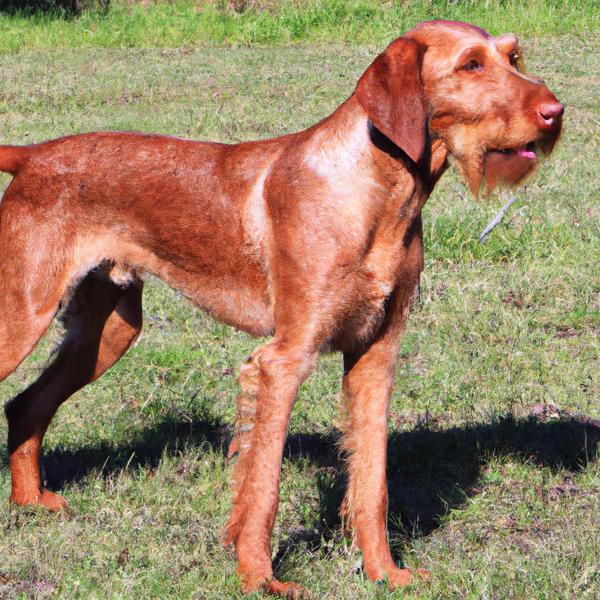
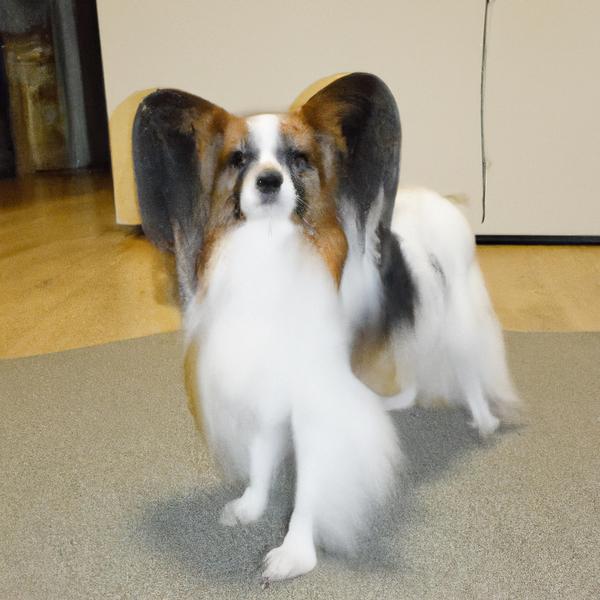
Weight Gain Potential
Which breed eats more: Wirehaired Vizsla or Papillon?
The Wirehaired Vizsla and Papillon breeds have an average risk of becoming obese. Daily walks and a balanced diet of quality dry dog food can help maintain a healthy weight. An active lifestyle and monitoring weight regularly is recommended.
Hypoallergenic
Are Wirehaired Vizslas or Papillons hypoallergenic, or neither?
Unfortunately, neither Wirehaired Vizsla nor Papillon are hypoallergenic, which may not make them the best choice for dog lovers who suffer from pet allergies.
Temperament
What are the personalities of Wirehaired Vizsla and Papillon dogs?
Friendly
Intelligent
Going
Loving
Loyal
Protective
Alert
Friendly
Energetic
Happy
Intelligent
Shedding Level
Do Wirehaired Vizslas shed more than Papillons, or which breed sheds more, Wirehaired Vizslas or Papillons?
Wirehaired Vizsla or Papillon will shed a negligible amount of hair. Some owners say that they do not shed, but that is not true. But the amount of shedding can be rather light than other dog breeds. If you do not want to deal with the hairs flying around in your home, then this breed is a perfect choice for you.
Watchdog Ability
Which dog breed makes a better watchdog, the Wirehaired Vizsla or Papillon?
Wirehaired Vizslas make excellent watchdogs - they're vocal and protective of their territory.
Papillons are decent watchdogs - they'll alert their owner if something seems amiss.
Origin
What is the origin of Wirehaired Vizsla and Papillon dog breeds?
Hungary
France
Ancestry
What are the origins of Wirehaired Vizsla and Papillon breeds?
turkish yellow dog, transylvania hound, weimaraner
spitz, spaniel
Breed recognition
Which kennel clubs recognize/register Wirehaired Vizsla and Papillon?
American Canine Registry
American Kennel Club
America's Pet Registry
Canadian Kennel Club
Dog Registry of America Inc.
Federation Cynologique Internationale
North American Purebred Registry, Inc.
American Canine Association, Inc.
Continental Kennel Club
National Kennel Club
United Kennel Club
American Rare Breed Association
American Canine Registry
American Kennel Club
America's Pet Registry
Canadian Kennel Club
Dog Registry of America Inc.
Federation Cynologique Internationale
Kennel Club of Great Britain
North American Purebred Registry, Inc.
American Canine Association, Inc.
Australian National Kennel Council
Continental Kennel Club
National Kennel Club
New Zealand Kennel Club
United Kennel Club
Date of Birth
When were Wirehaired Vizsla and Papillon breeds first developed?
middle ages
1500
Breed Group
What is the Breed Group of Wirehaired Vizsla and Papillon?
Sporting (AKC:2014)
Toy (AKC:1915)
Companion Breeds (UKC)
Litter Size
What is the usual litter size for Wirehaired Vizsla and Papillon?
A Wirehaired Vizsla can have a litter of 12-14 puppies on average. However, it's worth noting that the size of the litters can vary greatly. Factors that can influence litter size include the health of the mother, breeding history, and genetics.
A Papillon can have a litter of 13-16 puppies on average. However, it's worth noting that the size of the litters can vary greatly. Factors that can influence litter size include the health of the mother, breeding history, and genetics.
Adaptability
Wirehaired Vizsla and Papillons are known for their adaptability and versatility. They are capable of adapting well to a wide range of lifestyle changes and living environments, making them great companions for families and individuals of all lifestyles.
Health Issues
Between Wirehaired Vizsla and Papillon, which breed is more prone to health problems?
Wirehaired Vizsla and Papillon breeds are generally considered to be healthy. However, like all breeds, they are susceptible to certain health issues and it is important to keep an eye out for them and address them with your veterinarian as needed.
Major Concerns
What are the major health concerns for Wirehaired Vizsla and Papillon breeds?
Usually A Very Healthy Breed
Patellar Luxation
Deafness
Hip Dysplasia
Mitral Valve Disease
Minor Concerns
What minor health issues should be kept in mind when owning Wirehaired Vizsla and Papillon?
Hip Dysplasia
Hemophilia A
Progressive Retinal Atrophy
Cataracts
Von Willebrand's Disease
Follicular Dysplasia
Occasional Tests
What occasional tests are recommended for Wirehaired Vizsla and Papillon breeds?
Blood
Blood Test
Hips
X-Rays
Knee
Heart
Dna For Vwd
Hips
X-Rays
Eye Examination
Physical Examination
Energy
How do the energy levels of Wirehaired Vizslas and Papillons compare?
Wirehaired Vizslas thrive on an active lifestyle due to their high-energy nature.
Papillons' high energy levels make them unsuitable for a low-key dog, choose accordingly.
Social Needs
Wirehaired Vizsla vs Papillon social needs comparison
Wirehaired Vizsla has below average social needs and is content with spending time alone.
Papillon has very high social needs and requires regular mental and physical stimulation, a job or purpose, and companionship.
Exercise Needed
Wirehaired Vizsla vs Papillon exercise need comparison.
Wirehaired Vizslas require significant physical activity and suit those with an active lifestyle.
Papillons need high physical activity and are ideal for active individuals, but not suitable for sedentary lifestyles or small apartments.
Sleeping Need
Which of the two sleeps the most/least: Wirehaired Vizsla or Papillon?
Wirehaired Vizslas are active and require sufficient sleep to stay healthy.
Papillons sleep less than other breeds but still need adequate sleep for good health.
Drooling Tendency
Which drools more/less, Wirehaired Vizsla or Papillon?
The Wirehaired Vizsla and Papillon breeds are known for their low drooling tendencies, making them a suitable choice for people who don't want to deal with drool marks on their clothing.
Tendency to Bark
Do Wirehaired Vizslas or Papillons bark more/less frequently?
Wirehaired Vizslas are typically quiet and only bark when needed, such as to alert their owner or when in distress.
Papillon dogs bark and howl frequently and are not recommended for quiet homes.
Territorial
Is the Wirehaired Vizsla or Papillon a better guard dog?
These breeds are known for their strong protective nature and territorial instinct. They will fiercely defend their territory and are highly alert and vigilant against any perceived threat to their home and family.
Mouthiness
Mouthiness Comparison: Wirehaired Vizsla vs Papillon?
Roaming urge
Wirehaired Vizsla vs Labrador: Running away tendency?
Prey Drive
Wirehaired Vizsla or Papillon - which breed has a higher level of prey drive?
Tolerance of being left alone
Grooming
Which breed is easier to maintain in terms of grooming, Wirehaired Vizslas or Papillons?
The Wirehaired Vizsla has low grooming needs and is easy to maintain.
The Papillon requires an average amount of grooming compared to other breeds.
Intelligence
Comparing Intelligence: Wirehaired Vizslas vs Papillons
Wirehaired Vizsla has below average obedience intelligence, but they excel in understanding human emotions.
Papillon is highly intelligent and very trainable.
Sensitivity Level
How do Wirehaired Vizsla and Papillon compare in sensitivity?
This breed is sensitive to its environment and best suited for patient and understanding families with a consistent routine.
Papillons have average emotions and adapt well to different situations.
Affection Dependance
Which is the more affectionate dog breed: Wirehaired Vizsla vs Papillon?
Apartment Friendly
Which breed is more apartment-friendly: Wirehaired Vizsla or Papillon?
Wirehaired Vizslas can do well in apartments with enough exercise and time outside, but a small yard would be ideal.
Papillons are good apartment dogs as long as they get enough exercise and stimulation outside of the apartment.
Child Friendly
Do Wirehaired Vizslas or Papillons have a friendlier temperament towards children?
Wirehaired Vizsla and Papillon are kid-friendly dogs. They are good with children and excellent dogs with children if they are socialized and trained at a young age.
Senior-friendly
Which dog is more suitable as a pet for the elderly - Wirehaired Vizsla or Papillon?
Cat Friendly
Do Wirehaired Vizsla or Papillon breeds have a better compatibility with cats?
Wirehaired Vizslas are average in their friendliness toward cats and tend to do well with them, especially if raised together.
Papillons are very friendly with cats and make great companions for them.
Dog Friendly
Which breed is more sociable with other dogs: Wirehaired Vizsla or Papillon?
Wirehaired Vizslas are friendly and active companions, and can be good family pets, though their friendliness towards other dogs may vary.
Papillons are less friendly towards other dogs, but can improve with socialization.
Pet friendly
How do Wirehaired Vizsla or Papillon dogs interact with other pets?
Stranger Friendly
Which breed is more friendly with strangers: Wirehaired Vizsla or Papillon?
Wirehaired Vizslas are friendly but may bark at strangers, and training is easy due to their intelligence.
Papillons are highly friendly around strangers.
Playfulness
Which breed is more playful between Wirehaired Vizsla and Papillon?
Wirehaired Vizslas are a playful breed that needs daily playtime to be happy.
Papillons are very playful, so adopting an older one might be a better option for a more relaxed experience.
Trainability
How do the trainability levels of Wirehaired Vizslas and Papillons compare?
Wirehaired Vizsla and Papillon dogs are known for their ease of training and ability to learn quickly, making them a popular choice for pet owners and trainers alike.
Compare Wirehaired Vizsla with other breeds
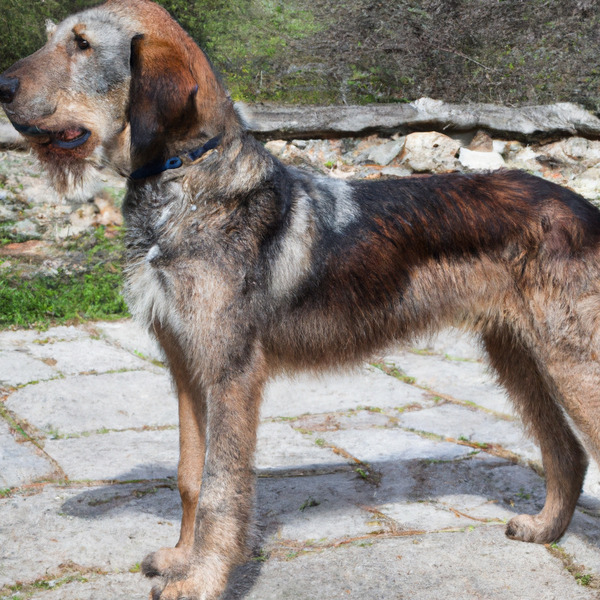
Istrian Coarse-haired Hound
Wirehaired Vizsla vs Istrian Coarse-haired Hound
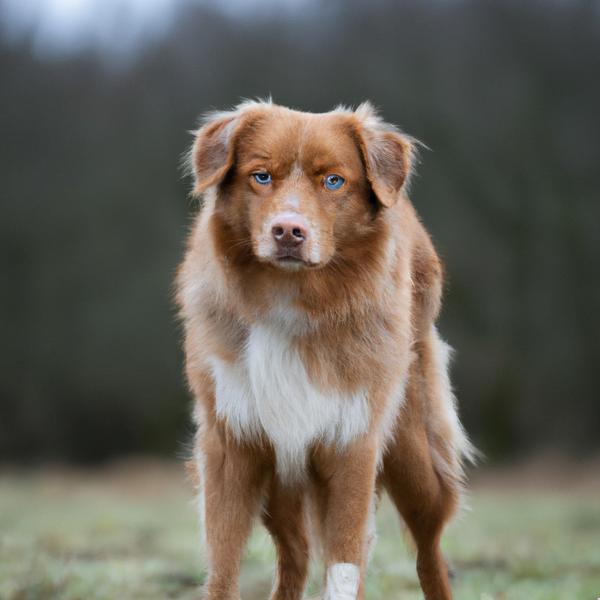
Australian Retriever
Wirehaired Vizsla vs Australian Retriever
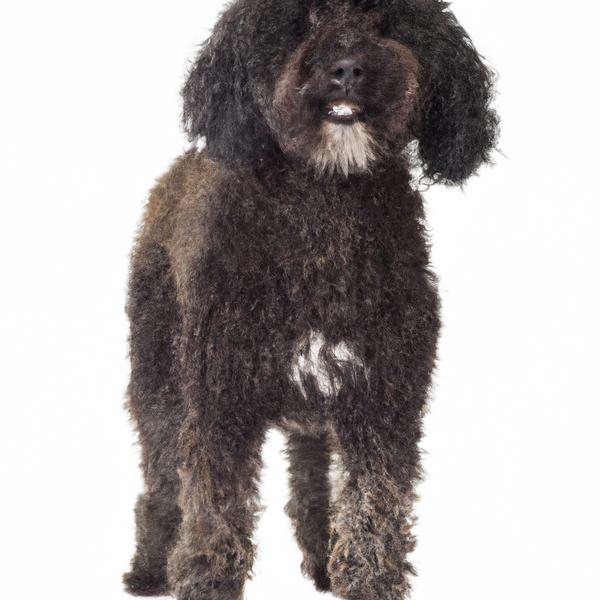
Barbet
Wirehaired Vizsla vs Barbet

Papichon
Wirehaired Vizsla vs Papichon
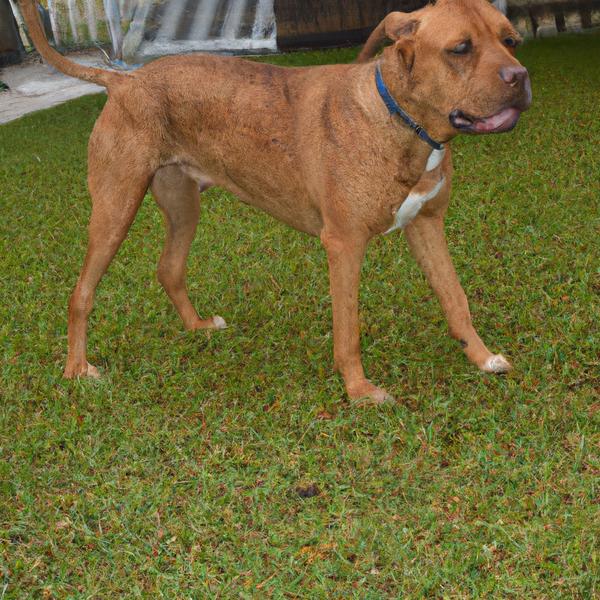
Havaco
Wirehaired Vizsla vs Havaco

Flandoodle
Wirehaired Vizsla vs Flandoodle
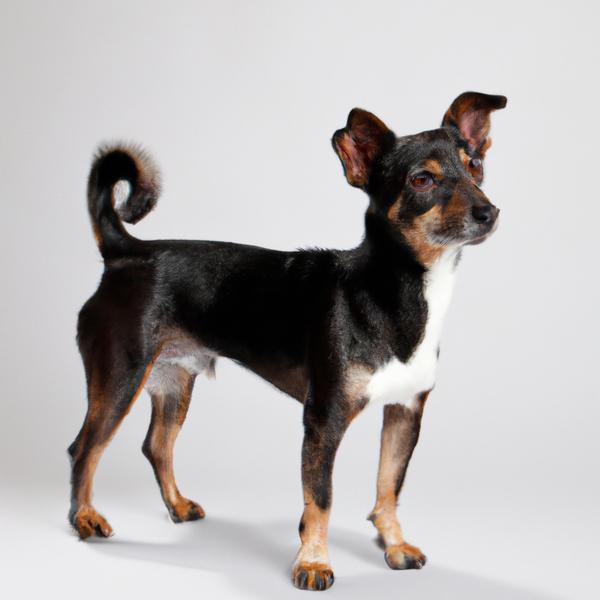
Japeke
Wirehaired Vizsla vs Japeke
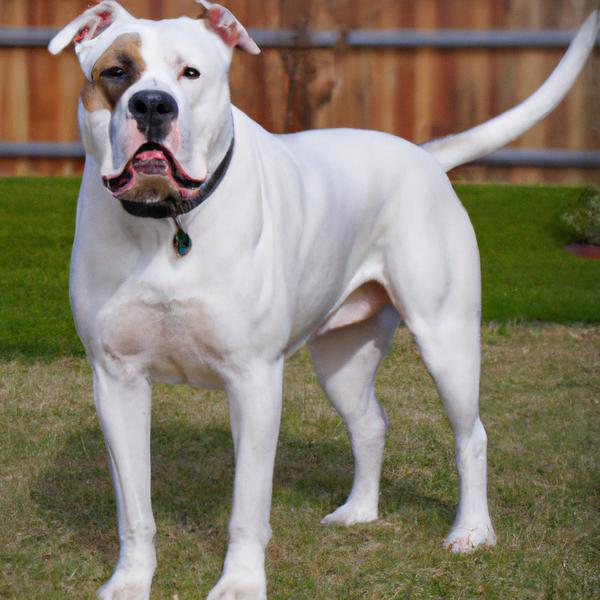
American Bulldog Shepherd
Wirehaired Vizsla vs American Bulldog Shepherd
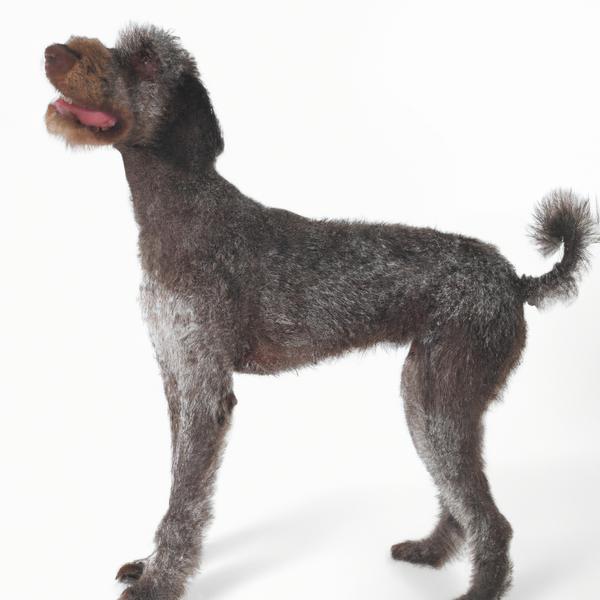
German Shorthaired Pointerpoodle
Wirehaired Vizsla vs German Shorthaired Pointerpoodle
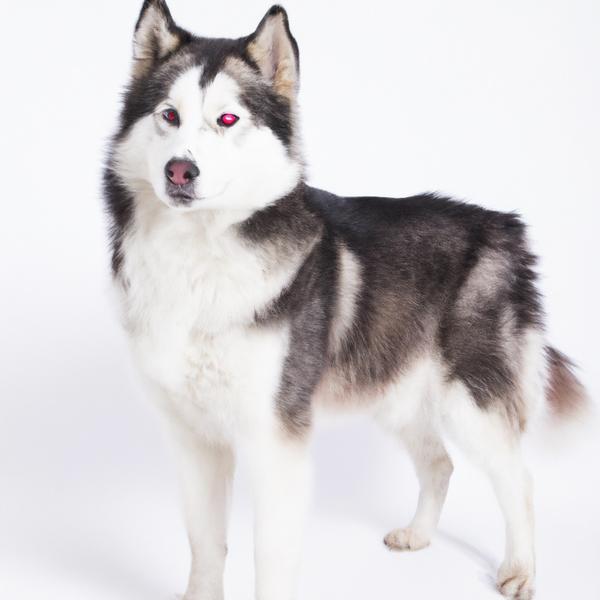
Skye-Pap
Wirehaired Vizsla vs Skye-Pap
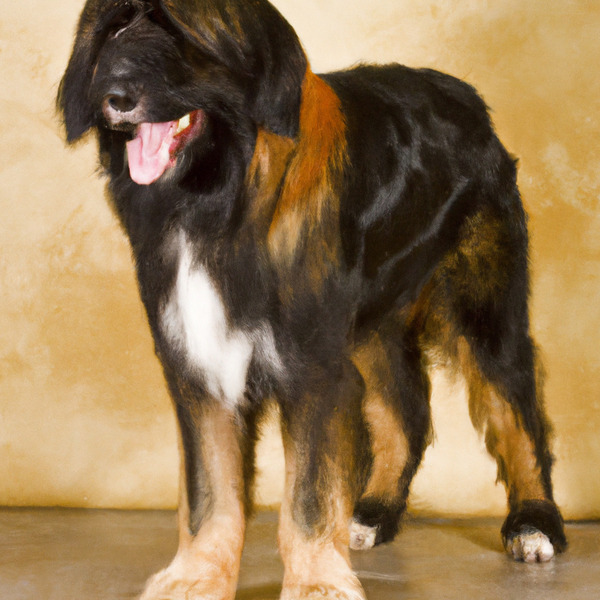
Cavador
Wirehaired Vizsla vs Cavador
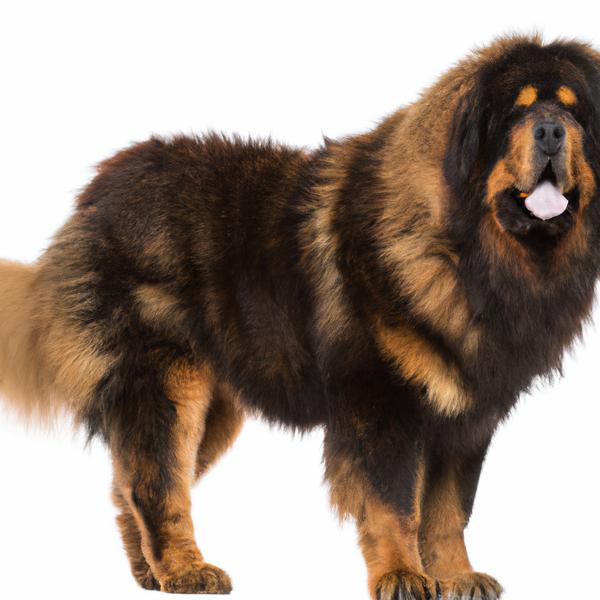
Tibetan Mastiff
Wirehaired Vizsla vs Tibetan Mastiff